
Do you suffer from diabetic neuropathy in East Village, New York NY? This is a very common condition and the consequences can be severe. Medical terminology can also be confusing and sound more complicated than it really is. For instance, the term diabetic neuropathy literally means nerve damage due to diabetes. With nerves controlling every function and system throughout our bodies, it's easy to begin to see how extensive this disease process can become. Our doctors at East Village Physical Medicine aim to use this article to help provide some information and treatment options for diabetic neuropathy.

What Causes Diabetic Neuropathy in East Village, New York NY?
People who have suffered from diabetes for a long period of time typically have higher blood sugar levels than someone without the disease. Similar to how sugar is bad for your teeth, abnormally high blood sugar levels also cause damage to the blood vessels which give nourishment to your nerves. As the blood vessels and nerves are damaged, so are the structures that depend on them. For example, people suffering from diabetic neuropathy often have a long list of complications including; skin disorders, high blood pressure, stomach issues, kidney disease, vision problem, and mental health disorders.
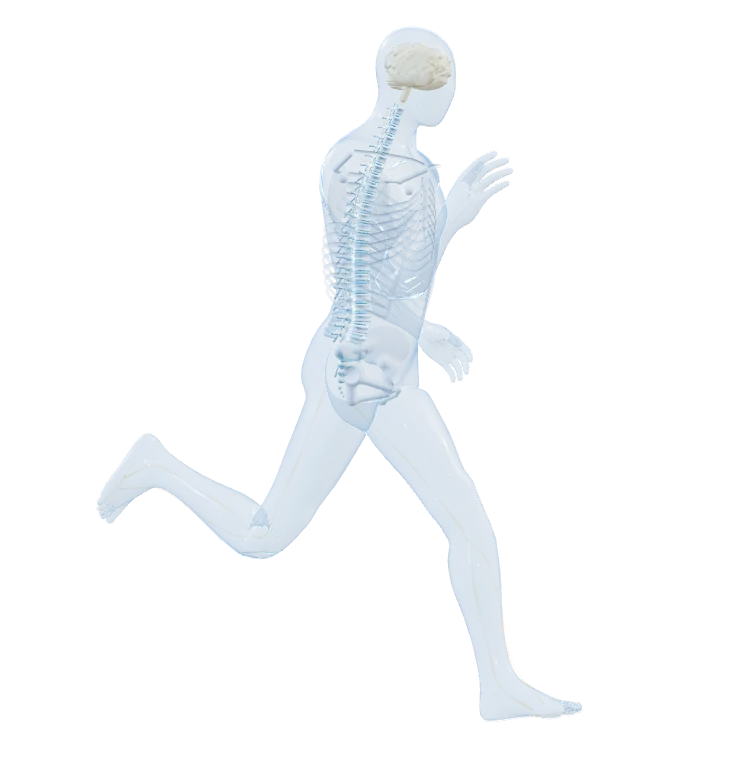
It is important to understand that diabetic neuropathy only affects our peripheral nervous system, meaning the nerves outside of our brain and spinal cord. Therefore, these nerves are the ones responsible for supplying all the structures related to our legs, arms, organs, and even eyes.
Associated Disorders of Diabetic Neuropathy?
It is important to understand that many other disorders of nerves or neuropathies exist. Distinguishing the symptoms associated with diabetic neuropathy is often a difficult process, but one thing to keep in mind is that diabetic neuropathy only occurs in people suffering from either Type 1 or Type 2 diabetes. The list below provides some information about some of the complications and conditions that are often related to diabetic neuropathy:
- Mononeuropathy: As the term implies, mononeuropathy refers to damage to one peripheral nerve. Most commonly this is due to some form of physical injuries, such as a broken arm. The pressure placed on the nerve due to these injuries often causes the person to feel abnormal sensations such as tingling or numbness. In severe cases, prolonged pressure can cause the nerve to die resulting in a loss of function of the structure supplied by the nerve.
- Polyneuropathy: Polyneuropathy is similar to mononeuropathy, but is used to describe damage to more than one nerve throughout the body. Unlike mononeuropathies, polyneuropathies are typically due to some sort of systemic (whole-body) disorder such as diabetes, nutritional deficiencies, liver disorders, or cancer. Due to the fact that a greater number of nerves are involved, polyneuropathies are typically more severe than mononeuropathies.
- Amyotrophy: Amyotrophy is a term that is often associated with suffering from diabetes. Amyotrophy specifically refers to damage to the nerves supplying your groin, buttocks, and legs. As the nerves traveling to these regions are damaged, so are the muscles causing them to become weak.
- Third Nerve Palsy: As mentioned earlier, diabetes has been associated with eye damage. The third cranial nerve is one of the most important nerves for maintaining eye motion. As this nerve is damaged due to diabetes, people begin to experience difficulty in moving that eye in almost all directions. It's important to remember that third nerve palsy can be caused by a number of other conditions.
- Mononeuropathy Multiplex: As with most of the previously mentioned conditions, mononeuropathy multiplex typically develops over a long period of time. As our sensory nerves (control feeling) are damaged, the condition begins to be noticed by the onset of long-lasting low back and leg pain.
Signs and Symptoms of Diabetic Neuropathy?
It's important to understand that when people are diagnosed with early stages of diabetes, they don't automatically begin to feel the symptoms associated with diabetic neuropathy. Diabetic neuropathy is a slowly developing complication of diabetes that may take upwards of 20 years to become noticeable. Unfortunately, people suffering from diabetes don't typically notice the signs and symptoms of diabetic neuropathy until it is in its advanced stages. Recognizing these symptoms early can help you obtain a more effective treatment. The following are some of the signs and symptoms most commonly noticed by our patients at our East Village Physical Medicine:
- A loss of feeling or pins and needles sensation throughout the arms and legs
- Feelings of sickness throughout the day
- Trouble going to the restroom or excessive diarrhea
- Filling up after eating smaller than normal meal portions
- Having trouble swallowing food or drink
- Abnormal vomiting shortly following eating a meal
- Difficulties with vision or speaking
- Weakness throughout the muscles of the legs and arms
- Excessive or deficient sweating
- Sexual dysfunction in men or women
- Feeling abnormally hot or cold
- Frequent urinary tract infections in women
- Sagging of the eyelids
- Feeling dizzy immediately after standing up
- Increased heart rate or chest pain (be aware of the possibility of heart attack)
Common Complications of Diabetic Neuropathy?
While the previous list of signs and symptoms gives you an idea of how diabetic neuropathy affects the body, there are additional complications that have been associated with the disease process. Unfortunately, many of these complications can be relatively severe. In the advanced stages of diabetic neuropathy, the condition can create a loss of feeling throughout the lower extremities. As a result, some people develop an infection without even knowing it's present.
Depending on how far this infection progresses before its noticed dictates if amputation is the best line of treatment. However, it is more common for deformities of the joints of the feet and knees to develop before an amputation is required. Due to the interference with the nervous system, diabetic neuropathy has been associated with a decreased ability to notice abnormally low blood sugar. Typically, a person will be aware of the symptoms of lowered blood sugar and make the proper changes to improve it. However, suffers from diabetic neuropathy often fail to receive the proper message, sometimes leading to death. In addition to these serious complications, suffers from diabetic neuropathy have noticed an increased incidence of urinary tract infections, dizziness, difficulty eating, and generalized nausea.
Tests for Diabetic Neuropathy
The tests for diabetic neuropathy range from a simple physical exam to extensive diagnostic testing. Often the symptoms that patients present with can be a tell-tale sign of the presence of diabetic neuropathy. If our doctors at the East Village Physical Medicine are unable to perform the testing required, we are always able to refer you for additional testing. The following are some of the tests and procedures that are often performed to confirm the presence of diabetic neuropathy.
At our office, we will typically begin with a physical exam. This exam is aimed at testing some of the muscles and sensations that are often affected by the nerve damage associated with diabetic neuropathy. We will begin by testing your reflexes, primarily throughout your legs and lower extremity. Further examination will include; looking for changes in skin texture or color, evaluating blood pressure when moving from sitting to standing, and examining for any loss of feeling throughout the legs and feet.
Following the physical examination, if our doctors are still unsure of whether diabetic neuropathy is present or not, we may refer you for additional testing. Typical diagnostic testing for diabetic neuropathy includes; an EMG or NMG which are essential for evaluating proper muscle and nerve function respectively.
Treatments for Diabetic Neuropathy
As common as diabetes has become you would think that there would be a number of treatment options available. Unfortunately, our vast understanding of how diabetes develops and its impacts on our bodies hasn't led to an equal number of treatment solutions. Typically, preventing the development of diabetic neuropathy in the first place is the best treatment option. This can be accomplished by regulating your diabetes through the management of your blood sugar and using the signs and symptoms above to seek immediate treatment. However, once diabetic neuropathy has developed, most treatments are aimed at the resultant symptoms. The biggest of these symptoms is the management of pain. The following are some of the current treatment options and one treatment option that is currently being investigated.
As mentioned earlier, abnormally high blood sugar levels have appeared to be the leading candidate for the development of diabetic neuropathy. The only issue facing researchers and health care providers in maintaining the blood levels in an ideal range to avoid potentially serious complications.
When discussing an ideal range for blood sugar, most doctors look for the reading to be between 70-100 mg/dl. When the body is functioning naturally, blood glucose levels are controlled primarily by an intricate interaction between the hormones glucagon and insulin. As mentioned earlier, diabetics have one of two problems regarding the function of insulin. Developing ways to insure safe levels of glucose in the blood has become an issue.
Dr. Callaghan, a fundamental researcher for the studies surrounding this topic, has found that enhanced glucose control showed significant improvements with regard to diabetic neuropathy, especially for people suffering from Type 1 Diabetes. However, he has also discovered that further research needs to be performed to determine safe blood glucose levels. The concern arises from the fact that as blood glucose travels outside of ideal levels, additional complications including; death, coma, behavioral abnormalities, muscle weakness, and weight gain arise.
If you have neuropathy or diabetic neuropathy in East Village, New York NY call our team at East Village Physical Medicine today.